
On this page6 sections
- 01Why vermiculite insulation isn't just "old insulation"
- 02Why we won't rent our insulation vacuum for suspected vermiculite
- 03How to tell if your attic might have vermiculite
- 04What proper identification and testing looks like
- 05What safe removal actually involves once vermiculite is confirmed
- 06What Attic Vac can help with
Key takeaway
Thinking about renting an insulation vacuum for vermiculite? Here's why that's not safe, how to tell if you have it, and what proper removal actually involves.
01Why vermiculite insulation isn't just "old insulation"
Vermiculite is a lightweight, pebble-like mineral insulation that was commonly installed in Ontario attics from the 1920s through the early 1990s, often sold under the brand name Zonolite. It looks and behaves very differently from the blown-in fibreglass or cellulose most rental vacuums and removal crews handle every day — small, accordion-shaped grey-gold granules rather than a fluffy fibre mat.
The reason vermiculite gets treated differently isn't its age. It's that a large share of the vermiculite sold in North America came from a single mine in Libby, Montana, that was contaminated with asbestos. Not every bag was affected, and there's no way to tell just by looking at it — which is exactly why the standard approach to blown-in insulation removal doesn't apply here.
02Why we won't rent our insulation vacuum for suspected vermiculite
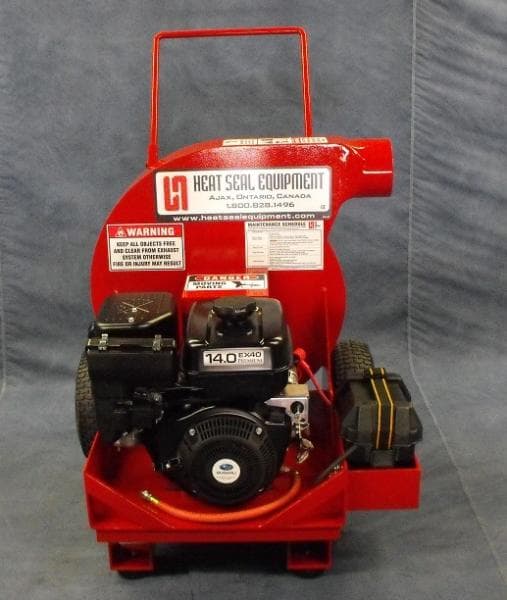
Our 14 HP insulation removal vacuum is built to extract and bag loose-fill fibreglass and cellulose efficiently — it's not a sealed, negative-pressure containment system. If the material passing through that hose and bag setup turns out to be asbestos-contaminated vermiculite, disturbing it that way is exactly the wrong move: it can release fine fibres into the attic air, the hose, and potentially the rest of the home.
We'd rather turn away a rental than hand someone equipment that isn't built for the job. If there's any reasonable chance your attic has vermiculite, the safest and only responsible answer is: don't vacuum it yourself, and don't rent a machine to do it either.
03How to tell if your attic might have vermiculite
A few signs are worth checking for, ideally without disturbing the material: small, lightweight, accordion- or pebble-shaped pieces in shades of grey, gold, or brown; a loose, granular texture rather than the cotton-candy look of blown-in fibreglass; and a home built or last insulated before the early 1990s.
None of that confirms asbestos content one way or the other — it only tells you the material is worth having identified before anyone does anything else in that attic. If you're not sure what you're looking at, that uncertainty is itself the signal to stop and get it checked rather than guess.
04What proper identification and testing looks like
The material shouldn't be disturbed, swept, vacuumed, or bagged before it's identified. A sample can be collected carefully — ideally by someone experienced with suspect asbestos-containing materials — and sent to an accredited lab for analysis, or the attic can simply be treated as presumed asbestos-containing until proven otherwise, which is often the simpler path for a single-family attic.
This step matters because it determines everything after it: standard removal equipment and process for confirmed-clean material, or a specialized abatement approach if asbestos is present or presumed.
05What safe removal actually involves once vermiculite is confirmed
Where vermiculite is known or presumed to contain asbestos, removal typically calls for a licensed abatement contractor, not a general insulation crew or a rental vacuum. That means containment and negative air pressure to keep fibres from spreading, HEPA-filtered extraction equipment rated for asbestos work, full PPE for anyone in the space, and disposal through channels approved for asbestos-containing waste.
That's a meaningfully different scope, cost, and equipment list than a standard blown-in insulation removal, which is exactly why lumping vermiculite in with "old insulation removal" undersells what the job actually requires.
06What Attic Vac can help with
During a standard assessment, we can flag material that looks like it may be vermiculite and explain what we're seeing and why it changes the plan. What we won't do is vacuum it out with standard equipment, rent you the machine to do it yourself, or represent ourselves as a licensed asbestos abatement contractor — that's a different trade with its own licensing.
If your attic turns out to be clear of vermiculite, or once confirmed-safe material has been professionally cleared by an abatement contractor, we're glad to handle the rest: removal of any remaining loose-fill insulation, attic cleanup, and new insulation installation. If you're not sure which situation you're in, send us a few photos and we'll tell you honestly what we're seeing.
Frequently asked questions
Can I rent your insulation vacuum to remove vermiculite myself?
No. Our rental vacuum is built for loose-fill fibreglass and cellulose, not for containing potentially asbestos-bearing material. If vermiculite is suspected, standard vacuum equipment — rented or otherwise — isn't the right tool until the material has been identified and, if needed, handled by a licensed abatement contractor.
How do I know if my attic has vermiculite insulation?
Look for small, lightweight, pebble- or accordion-shaped pieces in grey, gold, or brown tones, especially in a home built or last insulated before the early 1990s. Visual signs can only suggest vermiculite, though — they can't confirm whether it contains asbestos.
Does all vermiculite insulation contain asbestos?
Not necessarily, but a large share of the vermiculite sold in North America came from a single contaminated source mine, and there's no reliable way to tell just by looking. Because of that, the safer default is to treat suspected vermiculite as presumed asbestos-containing until it's tested or professionally assessed.
What should I do if I think my attic has vermiculite?
Avoid disturbing it — don't sweep, vacuum, or move it, and limit time in the attic. From there, arrange testing or treat it as presumed asbestos-containing, and get quotes from a licensed abatement contractor for removal if it's confirmed or presumed.
Can Attic Vac test for asbestos or remove vermiculite?
We're not a licensed asbestos abatement contractor, so we don't test for asbestos or remove confirmed vermiculite ourselves. We can flag suspect material during an assessment and point you toward the right next step. Once an attic is confirmed clear or has been professionally abated, we handle the standard insulation removal and installation work from there.
Is it safe to go into my attic if it might have vermiculite?
Brief, careful access without disturbing the material is generally lower-risk than removal work, but it's still worth minimizing time in the space and avoiding contact with the insulation until it's been identified. When in doubt, treat it cautiously rather than assuming it's fine.
Sources
- 1.Asbestos and your health — Health Canada
Written by
Attic Vac Insulation
A licensed and insured attic insulation contractor removing, installing and topping up insulation in homes across Toronto and the GTA, and renting the same 14 HP vacuum we work with.