On this page6 sections
- 01How an insulation vacuum rental actually works
- 02What it costs to rent an insulation vacuum in the GTA
- 03When renting makes sense — and when it doesn't
- 04What to prepare before your rental starts
- 05Insulation vacuum rental vs. insulation blower rental — don't mix them up
- 06When to hire a professional instead of renting
Key takeaway
Renting an insulation vacuum in the GTA: what the machine does, what it costs, how many bags to buy, safety steps, and when to hire a crew instead.
01How an insulation vacuum rental actually works
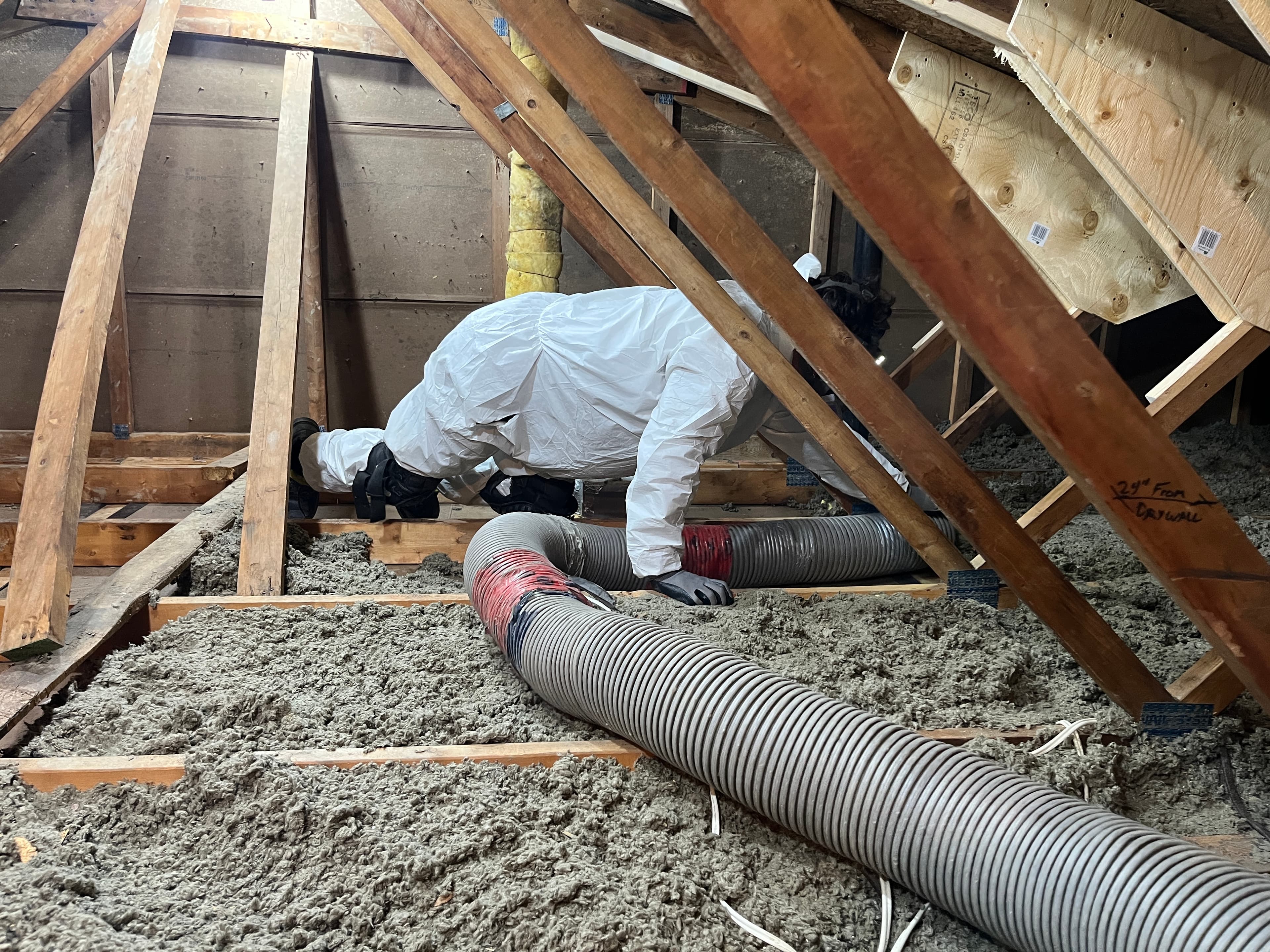
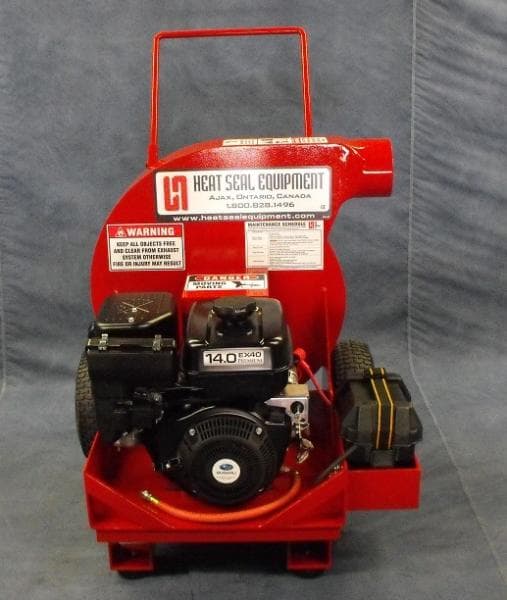
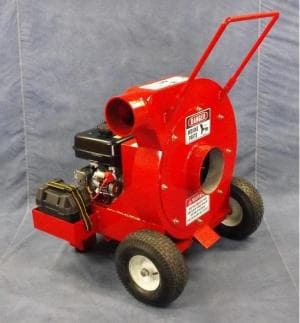
An insulation vacuum rental is a contractor-grade machine — ours is 14 HP, well beyond what a household shop vac can do — that connects to a hose long enough to reach from outside the home, through a window, hatch, or dedicated port, into the attic. The vacuum pulls loose-fill insulation through the hose and collects it directly into purpose-made bags rather than a household canister.
The suction power is the whole point: a regular shop vac will clog or bog down almost immediately on blown-in fibreglass or cellulose, because those machines aren't built to move that volume of lightweight, fibrous material continuously. A contractor-grade unit is designed specifically for it, which is why rental (rather than buying or borrowing a shop vac) is the practical option for a one-time attic job.
02What it costs to rent an insulation vacuum in the GTA
Typical GTA rental pricing runs $380 for the first day, $280 per additional day, and $40 per insulation bag, with delivery and pickup priced separately based on your location. A single-day rental is enough for most average attics if you have a helper and safe access; larger or more difficult attics may need a second day.
For comparison, professional attic insulation removal in the GTA typically runs $800–$4,500+ depending on attic size and access — see our full cost breakdown for the details. Rental is almost always the cheaper option in raw dollars; the trade-off is your own time, labour, and disposal arrangements instead of a crew's.
03When renting makes sense — and when it doesn't
Renting tends to make sense when the insulation is clean, dry, and free of contamination; you have safe, reasonably accessible attic space; you have a helper and can dedicate the better part of a day to the job; and you're comfortable with the physical work of managing a hose and bagging material in a hot, cramped space.
It's a poor fit when the attic shows signs of moisture damage, mould, or pest activity — those situations often need more than a straightforward vacuum-and-bag approach. It's also not the right tool if you suspect the insulation might be vermiculite: standard rental vacuums aren't built to safely handle material that may contain asbestos, and that job needs a different approach entirely.
If you're not sure which category your attic falls into, a quick set of photos is usually enough for us to tell you honestly whether rental is a reasonable option or whether you should be looking at professional removal instead.
04What to prepare before your rental starts
Measure or estimate the distance from where the machine will sit (usually a driveway or the street) to the farthest corner of the attic you need to reach — hose length is the single biggest constraint on what a rental can actually cover in one setup.
Line up a helper. In practice, one person manages the hose in the attic while a second person monitors the machine and swaps bags at ground level; trying to do both alone significantly slows the job down and is harder to do safely.
Estimate your bag count generously. Bag quantity depends on attic area, insulation depth, compaction, and how much debris is mixed in — order more than your rough estimate, since running out mid-job is the most common reason a rental takes longer than planned.
Protect the route through the house — flooring, doorways, and stairs the hose and bags will pass through — and plan your PPE: a proper respirator (not a dust mask), coveralls, and eye protection, since blown-in insulation is highly irritating to skin, eyes, and lungs when disturbed.
05Insulation vacuum rental vs. insulation blower rental — don't mix them up
These are two different machines for two different jobs, and the terms get confused often enough that it's worth being explicit: an insulation vacuum removes old loose-fill insulation from an attic. An insulation blower installs new loose-fill insulation by blowing it into place. If you're taking old insulation out, you want the vacuum; if you're adding new insulation, you want a blower — see our full comparison for more detail if you're not sure which job you're actually doing.
06When to hire a professional instead of renting
Professional removal is generally the better call when the attic has confirmed or suspected contamination — mould, pest waste, or possible vermiculite — when access is genuinely difficult (very tight hatches, low clearance, multiple disconnected roof sections), when you don't have the time or a helper available, or when you'd simply rather have the whole job, including disposal, handled for you in a single visit.
A professional crew also tends to move faster because they do this daily: they know how to route hose efficiently, manage bags without slowing down, and spot problems — leaks, damaged ventilation, exposed wiring — while the attic floor is open, before new insulation goes back in.
Frequently asked questions
How much does it cost to rent an insulation removal vacuum in the GTA?
Typical pricing is $380 for the first day, $280 for each additional day, and $40 per insulation bag, with delivery and pickup priced based on your location. Most average attics can be cleared in a single day with a helper and reasonable access.
How many insulation bags will I need?
It depends on attic area, insulation depth, compaction, and how much debris is mixed in with the material. Send a few photos and rough measurements for an estimate, and order more than the estimate — running short of bags mid-job is the most common delay.
Can one person operate the insulation vacuum alone?
It's possible but slow and harder to do safely. A practical setup uses two people: one controlling the hose in the attic and one managing the machine and swapping bags at ground level.
Is insulation vacuum rental the same as insulation blower rental?
No. A vacuum removes old loose-fill insulation from the attic; a blower installs new loose-fill insulation. They're different machines built for opposite jobs — confirm which one you actually need before renting.
Can I use a regular shop vac instead of renting a contractor-grade machine?
Not effectively. A household shop vac isn't built to move the volume of lightweight, fibrous material that blown-in insulation removal requires and will clog or bog down quickly. A 14 HP contractor-grade unit is designed specifically for this job.
What if I think my attic might have vermiculite insulation?
Don't rent a standard vacuum for it. Vermiculite may contain asbestos and needs to be identified and, if necessary, handled by a licensed abatement contractor rather than a general-purpose removal vacuum — see our guide on vermiculite and vacuum rental safety for the full explanation.
Is it cheaper to rent the vacuum or hire a professional?
Renting is usually cheaper in raw dollars for clean, dry insulation if you have the time and a helper — professional removal typically runs $800–$4,500+ depending on attic size and access, versus $380+ for a rental. The trade-off is your own labour, time, and disposal versus a crew handling the whole job for you.
Written by
Attic Vac Insulation
A licensed and insured attic insulation contractor removing, installing and topping up insulation in homes across Toronto and the GTA, and renting the same 14 HP vacuum we work with.